Cart
0
Introduction:
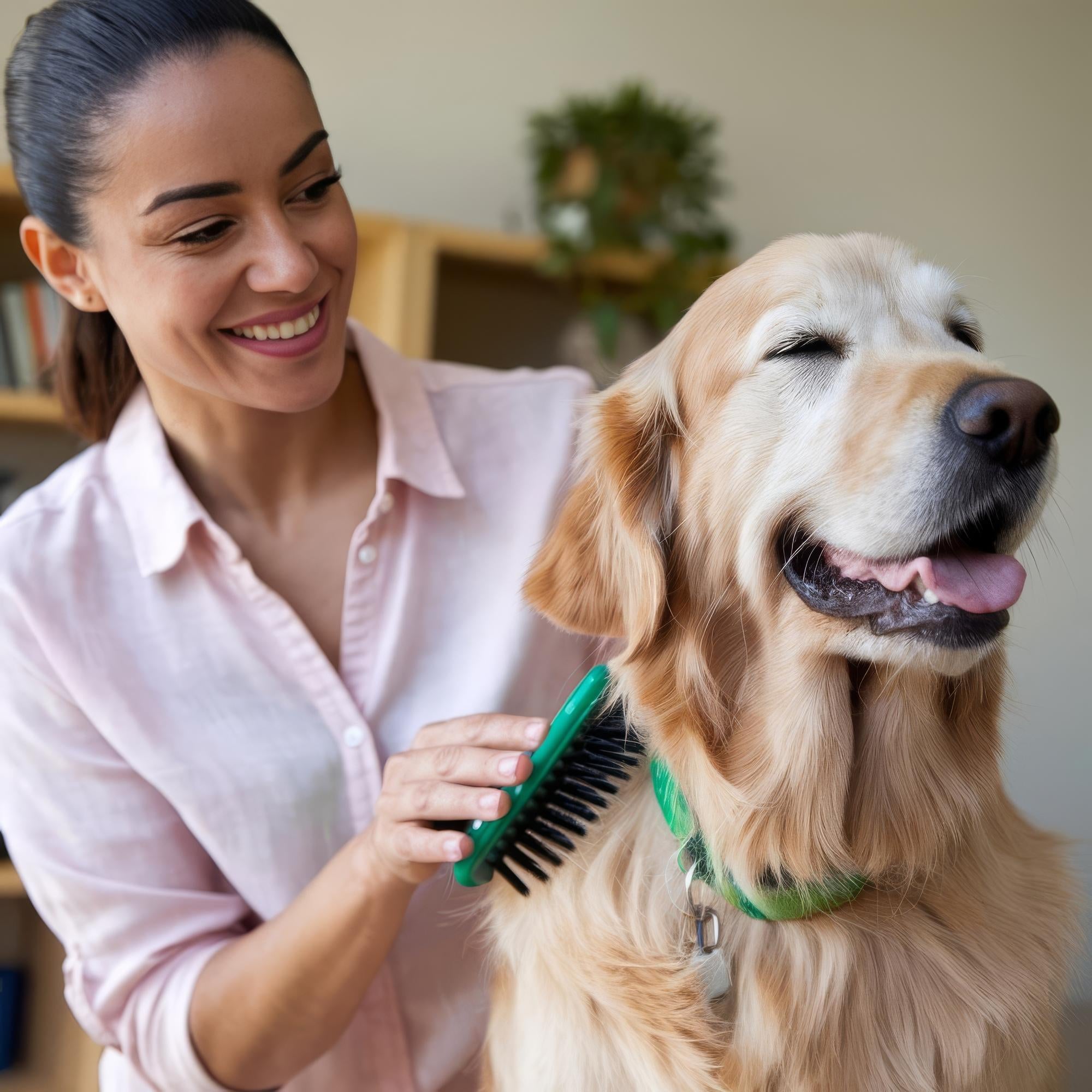
Brushing your pet isn't just about keeping them looking good—it's essential health care that prevents matting, distributes natural oils, reduces shedding, and gives you valuable bonding time. But with different coat types requiring different approaches, many pet parents feel overwhelmed. This guide breaks down everything you need to know about brushing dogs and cats of every coat type, making grooming something you both can enjoy.
Body Content:
Why Brushing Matters
Regular brushing:
- Removes loose fur before it ends up on your furniture
- Prevents painful mats and tangles
- Distributes natural oils for healthier, shinier coats
- Stimulates circulation in the skin
- Lets you check for lumps, bumps, parasites, or skin issues
- Strengthens your bond through positive physical contact
Even short-haired pets benefit from regular brushing. The question isn't whether to brush, but how to brush properly for your pet's specific coat.
Dog Coat Types and Brushing Techniques
Short, Smooth Coats (Beagles, Boxers, Pit Bulls)
These coats are low-maintenance but still shed. A quick brush 1-2 times per week removes loose hair and distributes oils.
Best Tools: Rubber grooming glove, bristle brush, or hound mitt.
Technique: Brush in the direction of hair growth using gentle, smooth strokes. The rubber curry brush massages the skin while catching loose fur. Finish with a soft bristle brush for shine.
Frequency: Once or twice weekly; daily during shedding season.
Short, Dense Coats (Labs, German Shepherds, Huskies)
Don't let the short length fool you—these double-coated breeds shed heavily. Regular brushing is essential to manage the endless fur.
Best Tools: Slicker brush, undercoat rake, deshedding tool.
Technique: Start with a slicker brush, working in sections and brushing down to the skin (gently!). Follow with an undercoat rake to remove loose undercoat. During shedding season, use a deshedding tool 2-3 times weekly.
Frequency: 2-3 times weekly minimum; daily during spring and fall shedding.
Long, Silky Coats (Yorkies, Maltese, Afghan Hounds)
These glamorous coats are beautiful but high-maintenance. Without regular brushing, they mat easily, sometimes close to the skin where they're painful.
Best Tools: Pin brush, slicker brush, metal comb.
Technique: Work in sections, starting at the ends and working toward the skin. Hold hair at the base (near skin) while brushing the ends to avoid painful pulling. Use the pin brush for general brushing, slicker for tangles, and metal comb to check for mats. Never brush when coat is completely dry—use a detangling spray.
Frequency: Daily, or at minimum every other day.
Curly and Wavy Coats (Poodles, Bichons, Doodles)
Curly coats don't shed much, but they mat easily because loose hair gets trapped in curls. Regular brushing prevents painful matting that often requires shaving.
Best Tools: Slicker brush, pin brush, metal comb.
Technique: Brush all the way down to the skin—surface brushing misses mats forming underneath. Work in small sections, using the slicker brush in a gentle brushing motion (not scraping). Follow with a metal comb through the entire coat; if the comb catches, there are mats that need more work.
Frequency: Every 1-2 days minimum.
Wiry Coats (Terriers, Schnauzers)
Wiry coats have a coarse, dense texture that needs regular stripping or clipping to maintain. Brushing prevents tangles and keeps the coat healthy between professional grooming.
Best Tools: Slicker brush, undercoat rake, stripping knife (if hand-stripping).
Technique: Brush with the slicker brush in the direction of growth. Use undercoat rake to thin dense areas. If hand-stripping (maintaining proper wiry texture), work with a groomer to learn technique.
Frequency: 2-3 times weekly.
Cat Coat Types and Brushing Techniques
Short-Haired Cats
Most cats are short-haired, and while they groom themselves, they still benefit from brushing to reduce hairballs and shedding.
Best Tools: Rubber grooming brush, soft bristle brush, or grooming glove.
Technique: Brush in the direction of fur growth using gentle strokes. Most cats enjoy the rubber curry brush massaging motion. Start at the head and work toward the tail, being gentle on sensitive areas like belly and legs.
Frequency: Once or twice weekly.
Long-Haired Cats (Persians, Maine Coons, Ragdolls)
Long-haired cats require dedicated grooming to prevent painful mats, especially around ears, armpits, and hindquarters.
Best Tools: Wide-tooth metal comb, slicker brush, mat breaker.
Technique: Start with the wide-tooth comb, working through the coat gently. If you encounter mats, use the mat breaker or work them out carefully with fingers (never cut mats with scissors—you might cut skin). Follow with the slicker brush. Pay special attention to areas prone to matting.
Frequency: Daily for long-haired breeds.
Making Brushing a Positive Experience
Start Young: Introduce brushing as a kitten or puppy so it becomes routine, not stressful.
Go Slow: Keep initial sessions short (5 minutes) and gradually increase time as your pet gets comfortable.
Use Treats: Reward calm behavior during brushing. Give treats before, during, and after to create positive associations.
Be Gentle: Never force the brush through mats or tangles. Work patiently or seek professional help.
Watch Body Language: If your pet shows stress (trying to leave, growling, ears back), stop and try again later. Forcing it creates negative associations.
Choose the Right Time: Don't try to brush when your pet is wound up. Wait until they're naturally calm or tired.
When to Seek Professional Help
If your pet has:
- Severe matting close to skin
- Extreme tangles you can't work through
- Aggressive reactions to brushing despite gradual training
- Specific grooming needs for breed standards
...it's time for a professional groomer. They have the tools, training, and experience to handle difficult situations safely.
Conclusion:
Regular brushing is one of the simplest ways to keep your pet healthy, comfortable, and beautiful. Match your tools and technique to your pet's coat type, be patient and gentle, and make it a bonding experience rather than a chore. Your pet's coat (and your furniture) will thank you.
CTA: Find the perfect grooming tools for your pet's coat type in our Grooming Essentials collection.